RSS

Why Spring Is the Best Season to Sell Your Home

As the snow melts and the days grow longer, the Burlington real estate market begins to bloom—just like the gardens that make our neighbourhoods so beautiful this time of year. If you’ve been thinking about selling your home, spring may be the perfect season to make your move. Here’s why spring is widely considered the best time of year to sell your home, especially in southern Burlington communities like Roseland, Shoreacres, and Aldershot.

Buyers Are Motivated in the Spring

Spring marks the start of peak home-buying season. Warmer weather, tax returns, and the desire to move before summer holidays or the start of the school year all converge to create a pool of motivated buyers. Families in particular prefer to make their move during the spring so they can settle into a new home before September.

By listing your home in the spring, you gain exposure to more qualified buyers who are actively looking and ready to act fast. This often leads to more showings, increased competition, and potentially even multiple-offer scenarios.
Curb Appeal Is at Its Peak

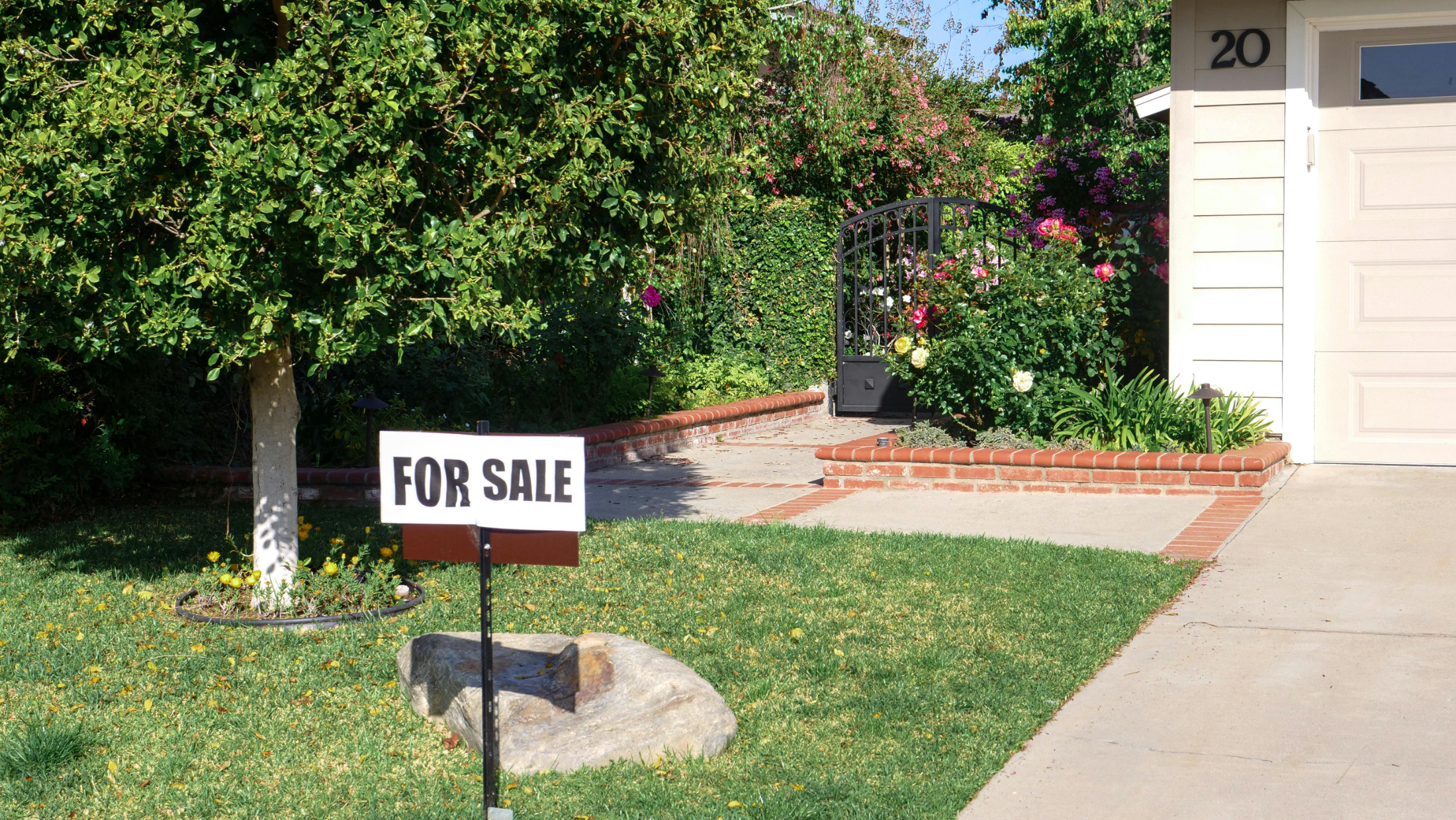
First impressions matter, and spring provides the perfect backdrop to showcase your home’s exterior. After a long winter, fresh landscaping, blooming flowers, and green lawns help your property stand out online and in person. In neighbourhoods like Shoreacres, where mature trees and established gardens are common, spring is when curb appeal truly shines.

Buyers aren’t just evaluating square footage—they’re picturing their future. A welcoming front yard and bright natural light can have a major emotional impact and create an instant connection with your home.

The Spring Market Offers a Balanced Advantage

While the market is active in spring, inventory is also higher. This can be an advantage for sellers who have a well-presented and strategically priced home. With more homes on the market, buyers are making decisions quickly to avoid losing out on their ideal property.

Partnering with a professional REALTOR® who understands the nuances of the local Burlington real estate market is key. With the right marketing strategy, your home can rise above the competition and attract serious interest.

More Daylight Means More Showings

One often overlooked benefit of spring is longer daylight hours. With more natural light and flexible showing times after work or school, buyers can view your home in its best light—literally. This added convenience increases the likelihood of scheduled showings and reduces days on market.

Spring Sales Set the Tone for the Year

Historically, spring real estate sales set pricing benchmarks for the rest of the year. By listing early in the season, your home has the potential to capture attention before summer vacations begin and market momentum slows. If your goal is to sell quickly and for top dollar, spring gives you a strong window of opportunity.

Thinking of Selling This Spring?

If you're considering selling your home in Burlington this spring, you don’t have to do it alone. The Smallbone Team provides luxury service at every price point, tailored to meet your unique needs. Whether you're upsizing, downsizing, or relocating, I’ll guide you through every step of the selling process with professionalism and care.

Let’s make the most of this vibrant season together—because spring doesn’t just bring new beginnings, it brings results.

Contact us today to schedule your free home evaluation and let’s get your property ready for the spring market.


Read

Where to Find the Most Affordable Waterfront Homes in the GTA

Where Waterfront Views Are More Affordable

Downtown Toronto has emerged as one of the most accessible spots in the GTA for those seeking waterfront living without breaking the bank. Neighbourhoods like Corktown, CityPlace, and the Entertainment District are posting some of the lowest median sold prices for waterfront properties in the region, ranging from approximately $632,000 to $650,000.

What makes these areas particularly intriguing is the slim gap between waterfront and non-waterfront home prices—sometimes as little as $3,000. This challenges the long-standing belief that any home near the water will automatically come at a steep premium. The reason? These downtown areas are predominantly composed of condominiums, offering more modest-sized units with shared amenities, rather than expansive single-family homes.

Where Waterfront Living Still Commands Top Dollar

In contrast, certain neighbourhoods continue to reflect traditional waterfront pricing. Communities like Eastlake and West Oakville, along with Burlington’s Roseland, are seeing median sold prices for waterfront homes soar well past the $1.5 million mark. In Eastlake specifically, waterfront properties are averaging $2.7 million, making it one of the priciest lakefront locales in the GTA.

Interestingly, not all trends are consistent. In Old Oakville, the typical non-waterfront home actually costs more than a waterfront one—by roughly $250,000. This anomaly defies conventional market expectations and underscores how hyper-local nuances continue to shape the region's real estate landscape.

Underbidding in Luxury Markets

Despite sky-high list prices in upscale neighbourhoods like Eastlake, many homes are actually selling below asking. The prevalence of custom-built homes in these areas can skew pricing expectations. Without direct comparables, sellers may test the market at higher price points, only to settle for lower offers. For buyers, this opens the door to negotiation—particularly if they're working with an experienced real estate professional who understands the complexities of the local market.

The Bottom Line

Waterfront living in the GTA is no longer reserved for multi-millionaires. Whether you're looking for a downtown condo with views of the lake or a larger home in a luxury enclave, today’s market offers more choice—and in some cases, more value—than it has in years.

Understanding where these opportunities lie and how to act on them requires a nuanced approach. As always, if you’re considering buying or selling in Burlington or anywhere along the shoreline, local expertise makes all the difference.

Ready to Find Your Waterfront Home?

Whether you're dreaming of a serene lakeside retreat or a modern condo with water views, the Greater Toronto Area has more to offer than ever before—often at a price that might surprise you. The key is knowing where to look and when to act.

If you're considering a move to Burlington or anywhere along the GTA shoreline, I’d love to help you navigate the market with confidence. Reach out today to start your waterfront home search with expert guidance and a personalized approach tailored to your goals.

Let’s find the view you’ve been waiting for.

Read

April 2025 Burlington Real Estate Market Report

A Deeper Look at Market Trends, Prices, and Strategy

April brought a mixed bag to Burlington’s real estate market—one that signals shifting tides for both buyers and sellers. While overall sales volume remains below historical averages, we’re also seeing glimmers of strength and growing stability in certain pockets of the city. Whether you're thinking of listing your home, entering the market as a first-time buyer, or considering an investment opportunity, the story behind the numbers this month deserves your attention.

Here’s what you need to know.

Sales Activity: Recovery With Caution

Let’s start with the big picture. Burlington saw 152 residential sales in April, down a dramatic 46% year-over-year, and now sitting over 50% below the city’s long-term averages. These are not small shifts—they reflect the lingering impact of elevated interest rates, consumer hesitancy, and a market still recalibrating from the highs of the pandemic era.

However, looking at this data month-over-month tells a different story. Activity is beginning to rise off its winter lows, and more listings are entering the market—a sign that homeowners are regaining confidence and that buyers may be ready to act.

The sales-to-new listings ratio dropped to 38%, a strong indicator that buyers have more leverage. This figure is especially critical for interpreting market balance: anything below 40% typically signals a buyer’s market, where inventory exceeds demand and conditions favour negotiation.

Inventory and Time on Market: A Shift in Dynamics

Inventory climbed over 40% year-over-year, with 619 active listings, and the months of supply now at 4.07—a significant increase from the 1–2 month supply we saw in the ultra-competitive years of 2021 and 2022. In simple terms: there are more homes available, and they’re taking longer to sell.

The average days on market for April was 26, up more than 26% from the same time last year. This aligns with the narrative of a cooling market and speaks to the importance of strategic pricing. Gone are the days when simply listing a home would generate multiple offers. Today’s market rewards preparation, precision, and professional marketing.

Home Prices: Still Softening, But Stabilizing in Key Areas

Burlington’s benchmark home price in April was $960,300, marking a 3% drop from March and a 10% decline from April 2024. These price shifts underscore the impact of market uncertainty and affordability concerns, particularly among first-time buyers and downsizers.

Despite the overall dip, average residential prices came in at $1,178,724, actually up 2.4% year-over-year. This discrepancy highlights increased sales in the higher end of the market and the diversity of Burlington’s housing stock.

Let’s break this down by property type:

  • Detached homes averaged $1,459,387, down 6.8% year-over-year.

  • Semi-detached homes posted an average of $927,015, a 2.1% increase.

  • Row/townhomes declined 10% to $830,833.

  • Apartments saw a notable gain of 26%, reaching $846,506, although this is skewed by several higher-end condo sales.

What does this mean? While prices are adjusting downward overall, select categories—especially well-located condos and newer semis—are drawing increased attention as affordability pressures steer buyers toward lower-maintenance, smaller-footprint homes.

Spotlight on South Burlington Neighbourhoods

Despite the broader market cooling, Burlington 33 (Roseland) posted a 16.1% year-over-year increase in average price, climbing to $1,625,921. This is one of the strongest performances across the city and speaks to continued demand for luxury properties in walkable, well-established neighborhoods with top-rated schools and lake access.

Burlington 35 (Shoreacres) remained stable with an average price of $1,031,876—unchanged from last year—but saw a massive 121.9% increase in inventory, giving buyers more options than they’ve had in years.

Meanwhile, Burlington 30 (Aldershot) held steady, with average prices rising 4.1% to $1,098,447, and homes selling relatively quickly compared to other districts.

For sellers in these neighbourhoods, timing and presentation will be critical this season. For buyers, opportunities are emerging—especially in cases where homes have been sitting on the market and may be open to negotiation.

Strategic Insights for Buyers

Now is an excellent time to explore the Burlington market with greater confidence. Buyers have:

  • More choice: Inventory is up citywide, and some sellers are adjusting prices.

  • More time: The longer days on market give room to make thoughtful decisions.

  • More power: In many cases, the market has shifted to your favour.

However, with interest rates still high and competition heating up in certain segments (especially semis and condos), it’s important to be pre-approved and move swiftly when the right home appears

Advice for Sellers: It's Still a Market of Opportunity

If you're considering selling in Burlington this spring, understand that the market is price-sensitive but not dead. Sellers who approach the market with the right combination of preparation, pricing, and marketing are still finding success—particularly in South Burlington.

Your strategy should include:

  • Professional staging and photography

  • Accurate market pricing

  • Expert negotiation to maximize value

Homes in top-tier neighborhoods like Roseland, Shoreacres, and Aldershot continue to command attention, especially if they’re well-maintained and priced in line with current expectations.

The Bottom Line: The Market Is Rebalancing

April 2025 shows us a Burlington real estate market in transition. The post-pandemic frenzy has cooled, but demand hasn't disappeared. We’re seeing a more balanced environment—one that offers opportunities for buyers and a manageable path to success for sellers, provided they have the right guidance.

As always, real estate is local. If you want to make sense of the numbers and explore your next steps, let’s talk.

Thinking of Buying or Selling in Burlington?

We specialize in delivering luxury service at every price point, with deep expertise in Burlington’s most desirable neighborhoods, including Roseland, Shoreacres, and Aldershot. Let’s create a tailored plan that aligns with your goals—whether you're moving up, downsizing, or investing.

The statistics provided in this report are based on information from the ITSO MLS® System. Multiple MLS® Systems operate within Ontario, and while none can be guaranteed to include every property listed or sold within a given area, they effectively illustrate market trends.

Read

What Today’s Home Buyers Are Really Looking For.

Buying a home is one of the most personal decisions a person can make—and yet, buyer preferences often follow clear trends, especially in a place like Burlington, Ontario. Whether it’s a young family moving into Roseland, a professional looking for lifestyle convenience in Aldershot, or a retiree downsizing in Shoreacres, today's buyers know what they want—and they're willing to wait for it.

If you're planning to sell your home, understanding what buyers are looking for gives you a powerful edge. Here's what’s topping the list in today’s Southern Burlington real estate market.

1. Functional, Modern Kitchens

The kitchen is no longer just a place to cook—it's the heart of the home. Buyers are looking for:

  • Open-concept layouts that flow into dining and living areas.

  • Ample counter space and quality finishes like quartz or granite.

  • Up-to-date appliances and plenty of storage.

In Burlington’s more established neighbourhoods, a tastefully updated kitchen can set your home apart, especially if it blends charm with modern function.

2. Updated Bathrooms with Spa-Like Features

Bathrooms are getting more attention than ever. Buyers want:

  • Clean, updated fixtures and fresh tile work.

  • Double vanities in primary bathrooms.

  • Walk-in showers and soaker tubs for relaxation.

Homes in Shoreacres with ensuite upgrades and functional layouts can attract higher offers simply because these updates save buyers time and money.

3. Home Office or Multi-Use Spaces

Remote work is here to stay—and with it, buyers are looking for dedicated space to work from home. Even if your home doesn’t have a formal office, a quiet nook or finished basement area staged as a workspace can go a long way.

In Aldershot, where many buyers are professionals commuting part-time to Toronto or Hamilton, flexible space is a major selling point.

4. Turnkey Condition

Buyers in Burlington are educated, savvy, and often busy. Most prefer a move-in-ready home with:

  • Fresh paint in neutral tones.

  • Minor repairs and upgrades completed.

  • A clean, well-maintained appearance inside and out.

While some buyers are open to a project, most are looking for homes that don’t require major renovation—especially in today’s interest rate environment.

5. Energy Efficiency and Smart Technology

Energy efficiency is no longer just a bonus—it’s a priority. Buyers are increasingly looking for:

  • New or updated windows and doors.

  • Efficient HVAC systems.

  • Smart thermostats, lighting, and security systems.

This is especially true among younger buyers and those planning to stay long-term in Burlington. Energy savings translate directly to reduced monthly costs, making your home even more attractive.

6. Outdoor Living Space

In Southern Burlington, where nature and green space are abundant, outdoor features are a major draw. Today’s buyers value:

  • Well-maintained yards and gardens.

  • Decks or patios for entertaining.

  • Privacy features like fencing or mature trees.

Backyards in Roseland and Shoreacres are especially appealing to families looking for both space and charm. A little landscaping can go a long way.

7. Location, Walkability, and Lifestyle

No surprise here—location still rules. Buyers are looking for homes that offer:

  • Proximity to top-rated schools (like those in Roseland).

  • Access to Lake Ontario, trails, and parks.

  • Easy commutes to the GO station or major highways.

Neighbourhood lifestyle is key. Whether it’s walkability in Aldershot Village or the family-friendly feel of Shoreacres, Burlington’s variety is one of its biggest strengths—and buyers are paying attention.

8. Storage and Practical Layout

Storage is a top concern for buyers at every price point. Walk-in closets, basement storage, mudrooms, and garages that fit more than just a car all factor into buying decisions. A smart floor plan that maximizes space is often more important than total square footage.

9. Curb Appeal

Buyers form their first impression within seconds of arriving. Homes with:

  • Clean, well-maintained exteriors,

  • Updated front doors and garage doors,

  • Fresh landscaping and lighting,

...stand out immediately, especially in Burlington’s established streetscapes.

Want to Attract Serious Buyers? Know What They’re Looking For

In today’s Burlington real estate market, it’s not enough to simply list your home—you need to position it strategically. By understanding what buyers want most, you can make smart upgrades, highlight your home’s best features, and appeal directly to the right audience.

Whether you're in Aldershot, Roseland, Shoreacres, or anywhere in between, I can help you tailor your home’s presentation to match exactly what today’s buyers are looking for. Let’s make your home stand out—and sell with confidence.

Read

Selling Your Burlington Home? Here's What You Need to Know About the Current Market

If you've been waiting for the right time to sell your home in Burlington, Ontario—especially in neighbourhoods like Aldershot, Roseland, or Shoreacres—you’re not alone. Many homeowners are now stepping off the sidelines, ready to list as market conditions begin to shift. But selling in today’s Southern Burlington real estate market requires more than just timing. It demands a clear strategy, local expertise, and a deep understanding of current trends.

As your trusted Burlington REALTOR®, I’m here to help you navigate the process with confidence.

The Burlington Real Estate Market Is Evolving

Across Canada, housing demand remains strong and prices are holding steady in many regions. Here in Burlington, buyer activity is picking up as mortgage rates stabilize and families look to make their next move. That said, Burlington’s micro-markets can differ greatly—even street to street. Some areas are approaching more balanced conditions, while others remain highly competitive.

Whether you’re in Shoreacres by the lake or near downtown Aldershot, understanding your neighbourhood’s current sales activity and price trends is essential for a successful sale.

Pricing Your Burlington Home Strategically

Pricing your home correctly is one of the most powerful tools you have as a seller. Overpricing can lead to extended days on market, while underpricing could leave money on the table. A comparative market analysis (CMA), combined with deep insight into Burlington’s sub-markets, will help you hit that ideal pricing sweet spot.

As part of my full-service approach, I’ll:

  • Provide a detailed market evaluation tailored to your home.

  • Offer insights on recent sales in Aldershot, Roseland, Shoreacres, and surrounding areas.

  • Recommend strategies based on buyer behaviour and current competition.

Timing Is Key—Even in a Hot Market

The right time to sell your Burlington home can vary based on the season, the week, and even the day you list. While spring and early summer are often ideal, market conditions and timing your home’s exposure can make all the difference.

Buyers in Burlington are active year-round, but:

  • Warmer months usually bring more serious buyers.

  • Listing mid-week may boost online visibility and weekend showings.

  • Flexibility with showing times increases your chances of getting strong offers quickly.

Preparing Your Home for the Burlington Market

Homes that show well sell faster—and often for more. That’s why staging, repairs, and decluttering are so important in Burlington’s competitive market.

Here’s how I help homeowners like you prepare:

  • Recommend local staging services that appeal to Burlington buyers.

  • Coordinate minor updates and repairs to boost appeal.

  • Arrange for professional photography and virtual tours to make your listing stand out online.

Curb appeal also matters—especially in neighbourhoods like Roseland, where mature trees, walkable streets, and charming exteriors are part of the lifestyle buyers crave.

Today’s Buyers Are Savvy—Be Prepared

Thanks to the internet and widespread access to real estate data, buyers in Burlington are more informed than ever. They’re comparing homes, neighbourhoods, school districts, and pricing trends in real time. That means your listing has to be competitive on every level—from price and condition to marketing and timing.

That’s why working with a local REALTOR® who understands Burlington’s micro-markets is key.

Finalizing the Sale With Confidence

Once your home receives an offer, my job is far from over. I’ll guide you through:

  • Reviewing offers and negotiating favourable terms.

  • Navigating inspections, financing conditions, and buyer requests.

  • Coordinating with legal professionals to ensure a smooth and stress-free closing.

Sell Smarter, Not Harder—With a Local Expert

Selling your home is one of life’s biggest decisions—but it doesn’t have to be overwhelming. With expert guidance, local knowledge, and a personalized strategy, you can move forward with clarity and confidence.

Whether you're selling a family home in Roseland, a lakeside bungalow in Shoreacres, or an investment property in Aldershot, I bring the local insight and full-service support to help you succeed.

Thinking of selling your Burlington home?

Let’s talk strategy. Book your free home evaluation today and discover what your property is really worth in today’s market.

Read

Is Buying a Home More Affordable in 2025? A Closer Look at Canadian Housing Trends

If you’ve been waiting for the right time to enter the housing market, recent data from March 2025 suggests a glimmer of hope for homebuyers across Canada. While overall market activity remains sluggish, improved mortgage affordability in many regions may offer new opportunities for buyers ready to make a move.

A Slower Spring, but Better Conditions for Buyers

Home sales in Canada saw a significant slowdown this March, reaching their lowest level for the month since 2009. Economic uncertainty, driven in part by ongoing global tariff disputes and recession fears, has many Canadians hitting pause on major financial decisions.

Despite that, some much-needed relief arrived in the form of falling mortgage rates. A 25-basis point cut to the Bank of Canada’s policy rate earlier in the month triggered a drop in bond yields, which in turn helped bring the average five-year fixed mortgage rate down to 4.38%. Additionally, the mortgage stress test rate eased from 6.55% in February to 6.38% in March.

These changes significantly improved purchasing power for many Canadians.

How Much Income Do You Need to Buy a Home in Canada?

Affordability improved in 10 of 13 major Canadian cities in March. Lower mortgage rates, combined with modest price declines in some regions, reduced the income required to purchase an average-priced home.

For example:

  • In Toronto, the average home price dropped to $1,068,500. This reduced the monthly mortgage payment by $121 and lowered the required qualifying income by $4,190.

  • In Hamilton, the average home price declined slightly to $811,000. The monthly mortgage payment fell by $79, and the required income dropped by $2,700.

  • Fredericton, Halifax, and St. John’s also saw notable reductions in both home prices and required incomes.

Even in pricier markets like Vancouver, where home prices inched up slightly, the lower mortgage rates still brought down the required income to qualify for a mortgage.

Where Affordability Worsened

Not every city saw gains. Three Western Canadian cities experienced an increase in the required income to purchase a home:

  • Edmonton saw its average home price rise by $9,500, increasing the necessary income by $560.

  • In Regina, strong demand pushed prices up by $8,600, raising the qualifying income by $690.

  • Winnipeg also posted higher prices, increasing the income required by nearly $1,000.

These examples show how even in lower-priced markets, affordability can be affected by sharp swings in local demand.

What This Means for Buyers

Whether you’re upsizing, downsizing, or buying for the first time, improved mortgage affordability can make a real difference in your budget. A drop in required income by just a few thousand dollars can open the door to more financing options, greater flexibility, or an expanded home search area.

But timing remains critical. The market continues to shift, and while interest rates fell in March, there’s growing uncertainty ahead. Recent volatility in global markets has already started to push bond yields higher again, leading some Canadian lenders to raise fixed mortgage rates by 10 to 15 basis points.

Final Thoughts

Affordability has improved in many Canadian cities—but how long that window stays open is unclear. If you're planning a move in 2025, now may be the time to explore your mortgage options and speak to a trusted real estate advisor.

Looking to understand how these trends affect Burlington, Hamilton, or surrounding communities? Let’s connect and take a closer look at your homeownership goals together.

Read

What the 2025 Federal Election Means for the Canadian Housing Market

The dust has settled after Canada’s federal election earlier this week, and as expected, the Liberal Party—now under the leadership of Prime Minister Mark Carney—has emerged with a minority government. While political transitions often spark uncertainty, the real estate community and broader markets reacted with remarkable calm. For Canadians concerned about housing affordability, interest rates, and economic stability, the election outcome offers both promise and caution.

So, what does this mean for the Canadian housing market moving forward? Let’s break down the key implications.

Housing Supply: Ambition Meets Execution

Housing was a dominant theme on the campaign trail, and for good reason. Affordability concerns continue to grip Canadians—especially younger generations trying to enter the market. The Liberals have pledged an aggressive housing agenda, including the creation of a Crown corporation focused on building affordable homes, eliminating the GST on homes under $1 million for first-time buyers, and fast-tracking permitting processes.

If these initiatives are executed effectively, they could significantly increase housing supply, which has been constrained by nearly two decades of under-building. Speeding up municipal approval times will be critical. In cities like Toronto and Vancouver, which are plagued by long development timelines, this could unlock long-awaited projects and gradually bring balance back to the market.

However, execution remains the biggest wildcard. With a minority government, the Liberals will need cooperation from other parties, adding complexity to already ambitious timelines. Moreover, land scarcity, rising construction costs, and labour shortages may temper how quickly new supply comes online.

Interest Rates and Fiscal Policy: What Buyers Should Watch

With the Canadian economy teetering on the edge of a downturn, the Liberals have proposed substantial fiscal stimulus—$225 billion in planned capital investment over four years. This spending will focus on housing, infrastructure, and clean energy, all of which could stimulate jobs and productivity without necessarily stoking inflation.

The Bank of Canada, for its part, is expected to remain cautious. A strong fiscal response could reduce pressure to cut interest rates further, meaning homebuyers hoping for a significant drop in borrowing costs may need to temper expectations in the short term. The real shift could come if fiscal measures successfully lift GDP growth without overheating the economy, potentially stabilizing rates at manageable levels for the housing market.

The U.S. Influence and Trade Disruption: A Subtle Threat to Affordability

While domestic policy dominated headlines, this election was significantly shaped by external pressures—especially from the U.S. The reintroduction of tariffs under the Trump administration has strained Canada-U.S. trade relations, creating ripple effects in pricing, supply chains, and consumer confidence.

For the housing market, this manifests in rising material costs, longer construction timelines, and potential inflationary pressures—all factors that could counteract the benefits of government-led housing initiatives. Investors and developers alike will be watching how Prime Minister Carney navigates diplomatic and economic tensions with Washington. Trade diversification, particularly toward the EU and Indo-Pacific nations, may offer a lifeline, but such pivots take time.

Immigration Policy: Balancing Demand and Supply

Immigration has long supported Canada’s economic growth, and it’s particularly vital for real estate. Newcomers drive demand, but the recent influx—especially of non-permanent residents—has contributed to housing shortages and pressure on public services. The Liberals plan to cap the non-permanent resident population below 5%, aiming to ease the strain while maintaining long-term workforce growth.

In the short term, this could stabilize rental markets in major cities. Over the long run, controlled immigration growth paired with increased housing supply could help rebalance demand and restore some affordability, particularly in urban centers.

What Should Buyers and Sellers Expect?

If you're considering buying or selling a home in Canada, especially in markets like Burlington, here’s what you should take away from this election:

  • Short-term affordability challenges may persist, especially while construction bottlenecks remain.

  • Increased government investment in housing could translate into more inventory in the next 2–5 years.

  • Interest rates are unlikely to fall dramatically, but they are expected to remain relatively stable, barring a severe downturn.

  • Tariffs and trade uncertainty could cause temporary price fluctuations in construction materials, indirectly affecting housing prices and renovation costs.

  • Immigration caps and infrastructure spending will impact local housing demand, especially in high-growth regions.

Final Thoughts

This election marks a turning point for Canada’s housing market. The promises are bold, the challenges are real, and the stakes are high. For Canadians, the hope is that this new government will deliver tangible results—not just headlines. Whether you’re a first-time buyer, an investor, or a homeowner thinking of selling, the months ahead will require attention, patience, and strategic decision-making.

If you’re curious how these changes might impact your specific real estate goals in Burlington or beyond, I’m always here to help you navigate this evolving market.

Read

How to Declutter and Depersonalize Your Home to Sell Faster This Spring

Spring is one of the most active seasons in the real estate market, and if you're planning to list your home, now is the time to get it market-ready. Whether you're downsizing to simplify or upgrading for more space, decluttering and depersonalizing your home is one of the most effective steps you can take to attract more buyers—and better offers.

But what do these terms really mean? And how do you do it without feeling overwhelmed?

Let’s break it down.

What Is Decluttering—and Why Is It So Important?

Decluttering means removing excess items from your home so that the space looks cleaner, larger, and more functional. Buyers aren’t just buying square footage—they’re buying the feeling of space. A cluttered home feels cramped and chaotic, no matter how large it actually is.

Here’s how to approach it room by room:

1. Entryway

  • Clear out shoes, jackets, bags, and seasonal gear.

  • Keep only a minimal mat and one or two decorative pieces (like a small plant or mirror).

2. Living Room

  • Remove excess furniture to improve flow.

  • Limit decor to three to five neutral pieces.

  • Pack away magazines, remotes, and personal items.

3. Kitchen

  • Clear off counters completely—leave only one or two attractive items like a bowl of fresh fruit or a coffee maker.

  • Organize inside cabinets and drawers—buyers often peek.

  • Toss or store rarely used appliances and bulk food items.

4. Bedrooms

  • Remove non-essential furniture.

  • Keep closets no more than 50% full to show off storage space.

  • Make beds with neutral, hotel-style linens and hide laundry hampers and toiletries.

5. Bathrooms

  • Clear counters completely—store away all personal care items.

  • Replace worn towels with fresh, neutral ones.

  • Scrub every surface until it shines—clean sells.

6. Basement/Garage

  • Sort items into keep, donate, and discard piles.

  • Use labeled bins for seasonal decor or tools.

  • Consider renting a storage unit if necessary—cluttered utility areas can make buyers worry about lack of space.

What Does Depersonalizing Mean?

Depersonalizing your home means removing items that reflect your identity—photos, religious symbols, memorabilia, children’s artwork, or niche decor. The goal is to create a blank canvas where buyers can imagine themselves, not feel like a guest in someone else’s space.

Tips to depersonalize without making your home feel sterile:

  • Remove all personal photos and replace with neutral art or mirrors.

  • Paint over bold accent walls with soft, neutral tones like warm white, taupe, or greige.

  • Store away collections or themed decor (sports memorabilia, travel souvenirs, etc.).

  • Use simple, classic decor that complements your home’s style without drawing attention to itself.

Bonus: If You're Downsizing, Decluttering Has Dual Benefits

If you're planning to move to a smaller home, the decluttering process will give you a massive head start. By being selective now, you’ll reduce the time, cost, and emotional stress later. Focus on:

  • Letting go of duplicates (kitchenware, linens, furniture).

  • Passing heirlooms to family members.

  • Donating gently used items to local charities or shelters.

  • Selling high-value items through consignment or online platforms.

Think of it as a proactive investment in your next chapter—not just in selling, but in how you want to live.

What If You’re Upsizing?

Decluttering is equally important for those buying a larger home. A well-presented current home often sells faster and for a higher price, giving you more flexibility in your next purchase. Plus, moving with fewer items means:

  • A smoother move.

  • Lower moving costs.

  • A clean slate to design your new home more intentionally.

Why This All Matters in Today’s Market

In a competitive spring market, first impressions count more than ever. Buyers are seeing multiple homes in a single weekend, and online listings—especially photos and virtual tours—need to grab attention immediately.

Homes that are clean, neutral, and spacious consistently outperform those that feel overly personal or cluttered. In fact, according to the National Association of Realtors, staged homes sell 88% faster and for 20% more than non-staged homes—and decluttering and depersonalizing are foundational steps in any staging plan.

Final Thoughts

Getting your home ready to sell doesn’t have to be overwhelming. By focusing on decluttering and depersonalizing, you create a home that speaks to more buyers—and helps you transition smoothly into your next one, whether you're scaling up, scaling down, or just making a change.

As a Burlington real estate expert, I help homeowners every step of the way—from preparing your property for the market to negotiating top dollar. If you’re thinking about selling this spring, let’s talk. I can offer room-by-room advice on how to get your home show-ready and sold.

Contact us today to book your free home preparation consultation.

Read

6 Wellness Trends Reshaping Residential Real Estate in 2025

The future of residential real estate is rooted in wellness. As buyers grow increasingly conscious of how their homes impact physical, emotional, and cognitive health, developers and homeowners alike are paying close attention. According to the Global Wellness Institute’s 2025 report, the convergence of neuroscience, smart technology, sustainability, and community-centred design is revolutionising the way we live.

If you're buying or selling a home in southern Burlington—or anywhere across Halton—you’re not just dealing in square footage and finishes anymore. You’re navigating a market shaped by six key wellness trends that are setting the new standard for residential living.

1. Brain-Friendly Buildings

Modern residential design is taking cues from neuroscience. Homes designed with biophilic elements, circadian lighting, and acoustic sensitivity are no longer niche—they're becoming expected. These features promote cognitive function, reduce stress, and support aging in place. As we understand more about how our surroundings affect brain health, homes are evolving into environments that actively foster mental well-being.

2. AI-Integrated Wellness Ecosystems

Artificial intelligence and smart home systems are now core to wellness-centred living. These technologies allow homes to adapt to individual needs—monitoring air quality, sleep habits, and energy usage to create healthier, more efficient living environments. On a community scale, shared wellness amenities like gardens, fitness areas, and mental health resources are being enhanced by tech, delivering personalised and proactive support for residents.

3. Live, Work, Zen Communities

The rise of hybrid lifestyles is driving demand for wellness hubs—mixed-use developments that seamlessly blend residential, commercial, and recreational functions. Walkability, green space, healthy food options, and social connectivity are essential elements. Buyers increasingly seek neighbourhoods where they can live, work, and unwind without relying on cars or long commutes. In Burlington, neighbourhoods that offer these features are attracting a growing premium.

4. Resilient and Climate-Conscious Design

The effects of climate change are influencing real estate like never before. Resilient homes and communities—those built with renewable energy systems, green infrastructure, and adaptive strategies—are becoming more valuable. Buyers are now asking whether properties can withstand extreme weather, and sellers are gaining an edge when they can show that their home is both sustainable and secure.

5. Homes for an AI-Native Generation

As Gen Z and Gen Alpha begin to enter the housing market, their expectations are reshaping demand. These digital-first generations want homes that offer flexible spaces for work, school, and wellness—often within smaller footprints. Modular design, hybrid-use rooms, and tech integration are key. Real estate that speaks to their “phygital” lifestyle—where physical space and digital convenience coexist—will dominate the market for years to come.

6. Placekeeping Meets Placemaking

Today’s buyers want more than amenities—they want meaning. Placekeeping honours the cultural and historical identity of a neighbourhood, while placemaking ensures new developments respect and integrate with those communities. Homes that reflect the unique character of their surroundings are gaining value, especially when their design is informed by input from local residents. In a city like Burlington, where every neighbourhood tells a story, authenticity is everything.

A Healthier Home Starts with Informed Choices

Whether you're preparing to list your home or looking to purchase your next one, aligning your goals with these wellness trends can add long-term value—both financial and personal. The shift towards wellness is not a fad; it's the future of real estate.

If you're curious how these trends play out in Burlington’s unique market, especially in neighbourhoods like Aldershot, Roseland, and Shoreacres, I’d love to share what’s happening on the ground.

Thinking about your next move? Let’s talk about creating a healthier lifestyle—starting at home.

Read

How to Add a Touch of Luxury to Your Burlington Home Before Listing This Spring

When it comes to selling your Burlington home this spring, first impressions matter more than ever. Buyers are not just looking for a property — they’re looking for a lifestyle. Adding a few strategic touches of luxury can instantly elevate your home, attract more interest, and help you achieve a faster, higher sale.

The best part? Creating a luxury feel doesn't always require a full-scale renovation. Whether you’re preparing to list in Roseland, Shoreacres, Aldershot, or anywhere in South Burlington, here’s how you can add timeless appeal that today's buyers are searching for — without overspending.

1. Focus on Light and Space

Luxury homes feel bright, airy, and open.
This spring, make sure your home maximizes natural light. Remove heavy drapes, clean all windows until they sparkle, and strategically place mirrors to reflect sunlight. If certain areas feel dark, invest in layered lighting: combine statement fixtures, recessed lighting, and stylish floor lamps to create a welcoming glow.

Pro Tip: In Burlington’s competitive market, a well-lit home can feel 20% larger — and larger often means higher offers.

2. Upgrade the Small Details

Sometimes luxury is in the little things.
Swap out dated cabinet hardware for sleek brushed gold or matte black finishes. Replace basic light switches and outlet covers with modern versions. Consider upgrading your faucets and door handles — simple updates that signal quality to buyers without the need for a major remodel.

Trending in Burlington for Spring 2025: Champagne bronze and minimalist satin nickel are highly sought-after finishes.

3. Create a Spa-Like Bathroom

Buyers today crave homes that offer a sense of retreat.
Transform your bathroom into a spa-like sanctuary with fluffy white towels, fresh flowers, and calming neutral tones. Update your showerhead to a rainfall model, and stage the space with luxury bath products (even if they’re just for show!).

Sandy’s Tip: In Burlington listings, bathrooms with spa elements consistently photograph better — a crucial edge when buyers are browsing online.

4. Refresh Your Outdoor Spaces

With Burlington's beautiful spring weather arriving, outdoor living spaces are a major selling point.
Stage your patio, balcony, or backyard with cozy seating, throw pillows, and potted plants. A simple outdoor rug and string lights can turn even a small space into a luxury oasis. Buyers want to envision themselves entertaining and relaxing outdoors — make it easy for them.

Bonus: Fresh mulch, trimmed shrubs, and seasonal flowers in your front yard instantly boost curb appeal and create a powerful first impression.

5. Invest in Professional Staging and Photography

Luxury is as much about perception as it is about features.
A professional stager knows exactly how to arrange furniture, decor, and art to highlight your home's best features. Combined with high-end real estate photography, staging can turn a good listing into a must-see property — which often translates into faster sales and better offers.

Did you know? Homes in Burlington that are professionally staged and photographed sell 33% faster than unstaged properties.

Ready to List Your Burlington Home This Spring?

If you’re thinking about selling in Burlington this spring, now is the perfect time to start.
At Sandy Smallbone Real Estate, we believe every home deserves a luxury experience, no matter the price point. Let’s work together to position your property perfectly — and get you the results you deserve.

Read

Top Neighbourhoods in Burlington for Families in 2025

Thinking about moving to Burlington, Ontario with your family? You’re not alone! With its beautiful waterfront parks, excellent schools like John T. Tuck Public School in Roseland, and safe, welcoming communities, Burlington continues to be one of the top cities in the GTA for families.

Whether you're a first-time homebuyer or looking for your forever home, choosing the right neighbourhood makes all the difference. Here’s a closer look at some of the best family-friendly neighbourhoods in Burlington in 2025.

1️⃣ Roseland

One of Burlington’s most established and prestigious neighbourhoods, Roseland offers families beautiful, tree-lined streets, spacious lots, and proximity to some of the best schools in the city. Known for its mature homes and proximity to Lake Ontario, this community has a timeless charm that continues to attract families year after year.

Why families love it:
✅ Home to John T. Tuck Public School, consistently one of Burlington’s highest-ranked elementary schools
✅ Quiet, established streets with character homes and custom builds
✅ Steps from Lake Ontario, Roseland Park, and downtown Burlington
✅ Strong community association with year-round events

2️⃣ Millcroft

Millcroft remains one of Burlington’s most sought-after family neighbourhoods — and for good reason. Known for its top-rated schools, sprawling parks, and the Millcroft Golf Club, this area offers a perfect balance of suburban living and modern convenience.

Why families love it:
✅ Safe, quiet streets
✅ Plenty of parks and playgrounds
✅ Close to excellent elementary and secondary schools
✅ Easy access to shopping, dining, and highways

3️⃣ Alton Village

A newer, master-planned community, Alton Village is ideal for young families looking for modern homes and walkable amenities. With a strong sense of community and proximity to Norton Community Park and Haber Recreation Centre, this neighbourhood is perfect for active families.

Highlights:
✅ Newer homes with family-friendly layouts
✅ Highly-rated schools nearby
✅ Community centres, sports fields, and splash pads
✅ Quick access to major highways and GO transit

4️⃣ The Orchard

Nestled between Millcroft and Bronte Creek Provincial Park, The Orchard is a picturesque neighbourhood filled with tree-lined streets, trails, and family homes. It’s especially popular for families who love spending time outdoors.

Why it stands out:
✅ Walking distance to parks and trails
✅ Close to Bronte Creek Provincial Park
✅ Great schools within the neighbourhood
✅ Strong community feel with local events and family activities

5️⃣ Headon Forest

Headon Forest offers mature trees, larger lots, and a more established feel. This neighbourhood is perfect for families looking for a mix of older, character-filled homes and newer builds.

Key perks:
✅ Quiet, established streets
✅ Close to grocery stores, shopping centres, and schools
✅ Beautiful parks and playgrounds nearby
✅ Strong community associations and neighbourhood events

6️⃣ Elizabeth Gardens

Located in Burlington’s southeast corner near the lake, Elizabeth Gardens is a hidden gem for families who want to be near the water without sacrificing convenience. It’s an excellent option for those seeking affordable homes and easy access to lakeside parks.

Family-friendly features:
✅ Steps from Lake Ontario and waterfront parks
✅ Larger lots with room to grow
✅ Minutes to downtown Burlington and Oakville
✅ Proximity to schools, shops, and restaurants

🎯 Final Thoughts

Burlington continues to shine as one of Ontario’s most family-friendly cities. From modern subdivisions to established, character-rich communities, there’s a neighbourhood to suit every family’s lifestyle and needs.

Thinking about moving to Burlington? Let’s connect — I’d be happy to help you find the perfect neighbourhood to call home.

Contact Sandy Smallbone today for expert advice and local insights into Burlington’s real estate market.


Discover the top family-friendly neighbourhoods in Burlington for 2025, including Roseland — home to top-ranked John T. Tuck Public School. Find your perfect community today!

Read

The Ultimate Moving Checklist for a Stress-Free Move in Canada

Moving into a new home is exciting — but let’s be honest, it can also be a little overwhelming. Between packing, paperwork, and coordinating movers, it’s easy for things to slip through the cracks. That’s why we’ve put together this ultimate moving checklist to help you stay organized and on track.

Whether you’re moving within Burlington, to a neighbouring city, or across Ontario, this guide will help make your move as smooth as possible.

📦 6–8 Weeks Before Moving Day

  • Sort and declutter: Go room by room and decide what to keep, donate, sell, or toss.

  • Start researching movers: Get quotes from several reputable moving companies in your area. If moving yourself, book a rental truck early.

  • Gather important records: Collect school, medical, veterinary, and financial records.

  • Notify your landlord: If renting, give the proper written notice as required in your lease agreement.

📦 4 Weeks Before Moving Day

  • Order packing supplies: Stock up on boxes, tape, bubble wrap, and markers.

  • Start packing non-essentials: Pack items you won’t need before the move like seasonal décor, books, and off-season clothing.

  • Label everything: Clearly mark boxes with their contents and destination room.

  • Update your address: Notify Canada Post and begin changing your address with banks, subscriptions, and service providers.

📦 2 Weeks Before Moving Day

  • Confirm details with your mover or truck rental.

  • Plan for pets and kids: Arrange care for moving day if needed.

  • Transfer or set up utilities: Contact your hydro, gas, internet, and other utility providers to schedule service changes.

  • Dispose of hazardous items: Properly discard paints, chemicals, and old electronics.

📦 1 Week Before Moving Day

  • Pack a “first night” box: Include essentials like toiletries, pyjamas, chargers, snacks, and important documents.

  • Clean your current home: Schedule a cleaning service or set aside time to tidy up.

  • Confirm closing or key pickup details with your real estate agent and lawyer.

📦 Moving Day!

  • Do a final walkthrough: Check cupboards, closets, and garage for missed items.

  • Direct movers or helpers: Show them where things go in your new home.

  • Check utilities: Make sure heat, water, and electricity are running.

  • Celebrate your new home! Snap a few photos and order your favourite takeout.

📌 Final Moving Tips

  • Stay hydrated and wear comfy clothes.

  • Keep valuables and documents with you during the move.

  • Use clear bins for important items like remotes, medication, and tools.

🎉 Ready for a Fresh Start?

Moving doesn’t have to be stressful when you’re organized and prepared. Follow this checklist to stay ahead of the chaos and actually enjoy your moving day.

If you’re planning a move in Burlington, Oakville, or the surrounding areas, I’d be happy to help. Reach out today for local insights, market advice, or recommendations for trusted movers and services.


Keywords targeted:
moving checklist, moving in Canada, moving to Burlington, moving tips, moving day checklist, moving guide Canada, moving companies Burlington, utilities in Burlington

Read
The trademarks REALTOR®, REALTORS®, and the REALTOR® logo are controlled by The Canadian Real Estate Association (CREA) and identify real estate professionals who are member’s of CREA. The trademarks MLS®, Multiple Listing Service® and the associated logos are owned by CREA and identify the quality of services provided by real estate professionals who are members of CREA. Used under license.