Thinking about buying an older home in Burlington, Ontario? Learn what to look for, from electrical and plumbing to foundations, insulation and renovations.
Older homes can offer something that is difficult to replicate: established neighbourhoods, mature trees, unique architecture, larger lots and plenty of character. In Burlington and surrounding communities, many buyers are drawn to older properties for exactly these reasons.
However, buying an older home can also come with considerations that may not be immediately visible during a showing. Knowing what to look for before making an offer can help you better understand the property and the potential costs of ownership.
Here are some of the most important things to consider when buying an older home in Burlington.
1. Electrical Systems
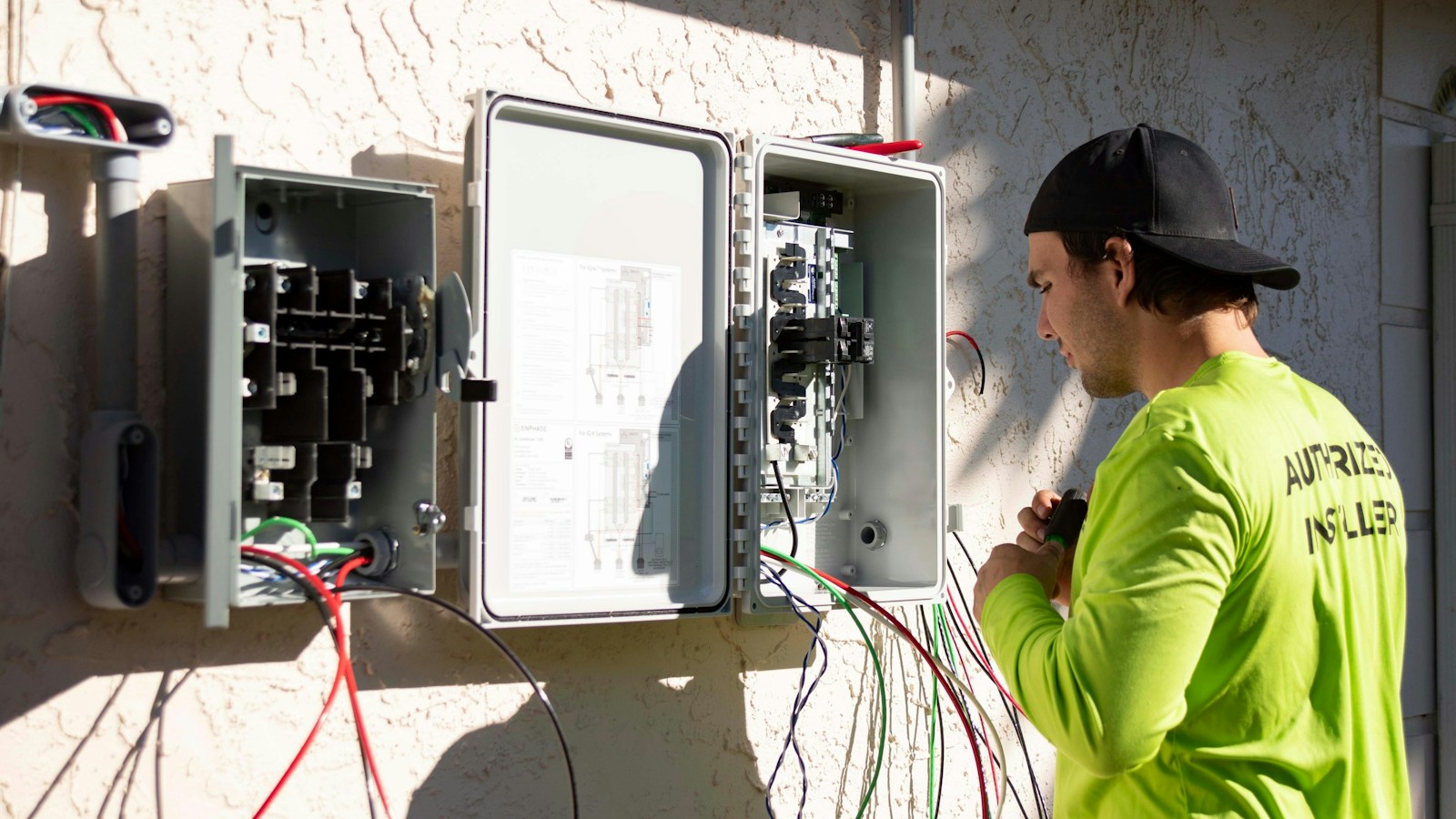
Electrical standards have changed considerably over the years. Depending on the age of the home and any renovations completed by previous owners, the electrical system may have been partially or fully updated.
Buyers may want to look into the type of wiring, electrical panel, available amperage and whether previous electrical work appears to have been professionally completed.
An older electrical system does not necessarily mean you should avoid the property, but understanding its condition can help you anticipate potential upgrades.
2. Plumbing
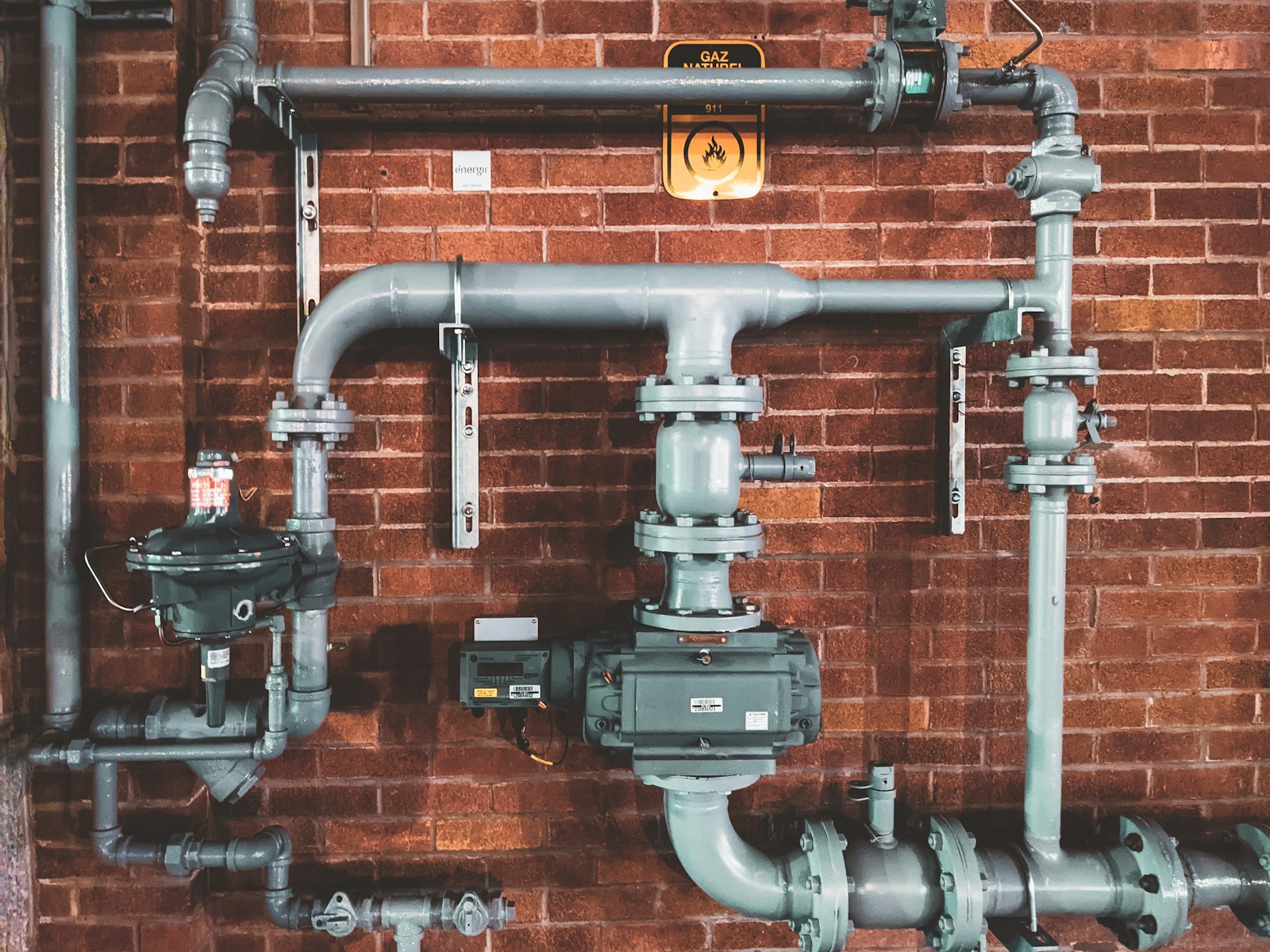
Older homes may contain a combination of original and updated plumbing.
During your due diligence, consider the age and material of the supply and drain lines, water pressure, signs of previous leaks and any evidence of water damage.
A professional home inspection can help identify visible plumbing concerns and determine whether further evaluation by a qualified plumber may be worthwhile.
3. Foundation and Structural Concerns
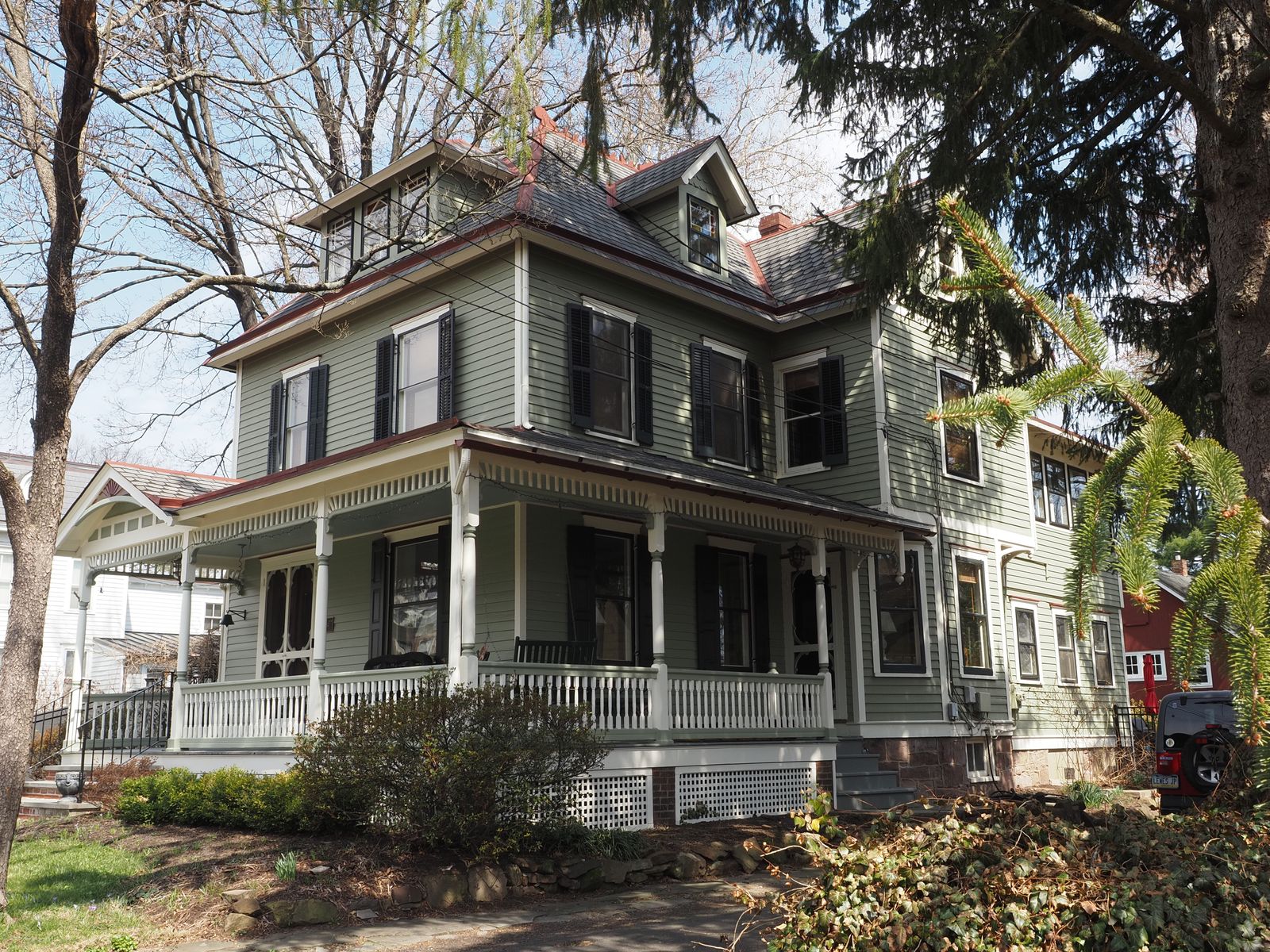
Small cracks are not uncommon in older homes, but larger cracks, uneven floors, sticking doors or windows, and signs of movement deserve closer attention.
Look around the basement and exterior foundation for visible cracking, moisture or previous repairs. If something raises concern, a qualified professional can provide a more detailed assessment.
4. Water and Moisture
Water intrusion can be one of the more costly issues to address in any home.
When viewing an older property, look for staining on walls or ceilings, musty odours, visible moisture, efflorescence on basement walls and signs of previous repairs.
It is also worth looking outside. Grading, gutters and downspouts all play an important role in directing water away from the foundation.
5. Windows, Roof and Exterior
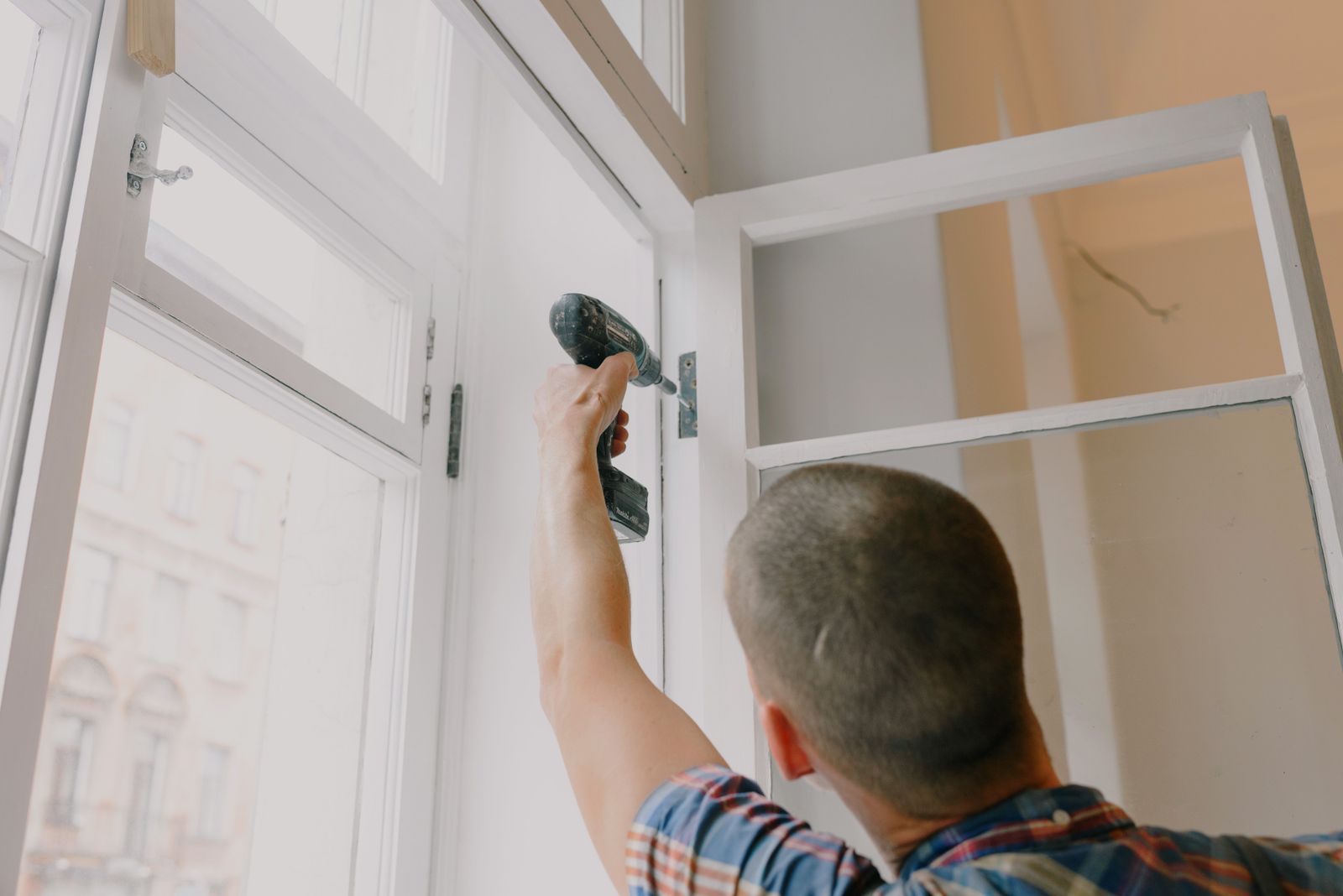
Replacing major exterior components can represent a significant expense, so understanding their approximate age is helpful when evaluating a home.
Ask about the age and condition of the:
Roof
Windows and exterior doors
Eavestroughs and downspouts
Siding, brick or other exterior finishes
Decks, porches and exterior structures
Even when these components are functioning properly today, knowing when they may eventually require replacement can help you plan ahead.
6. Heating, Cooling and Insulation
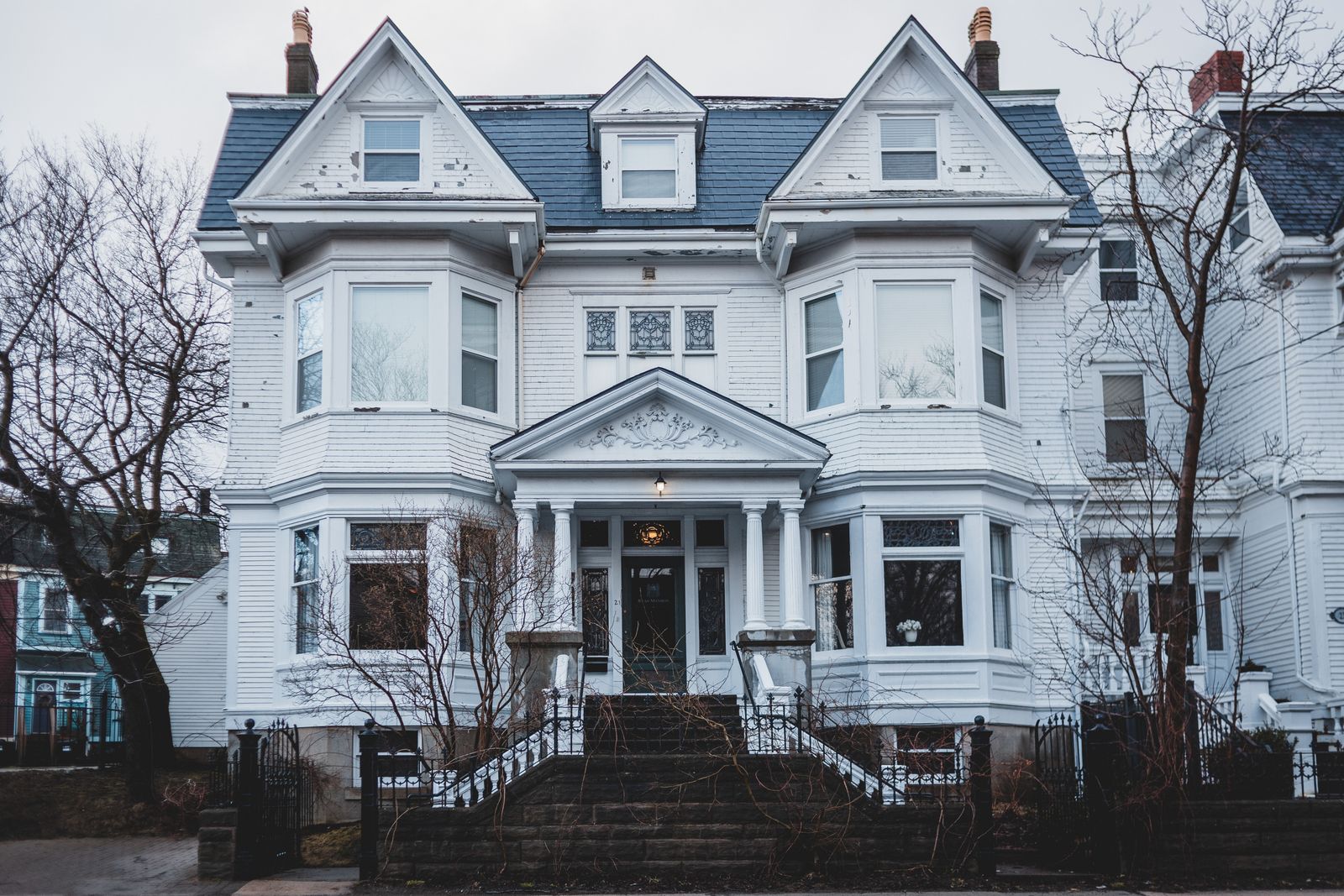
Older homes were built to the standards of their time, which means their energy efficiency can vary considerably.
Consider the age and condition of the furnace and air-conditioning system, along with the home's insulation and windows.
Some older homes have already undergone substantial energy-efficiency upgrades, while others may present opportunities for future improvements.
7. Previous Renovations
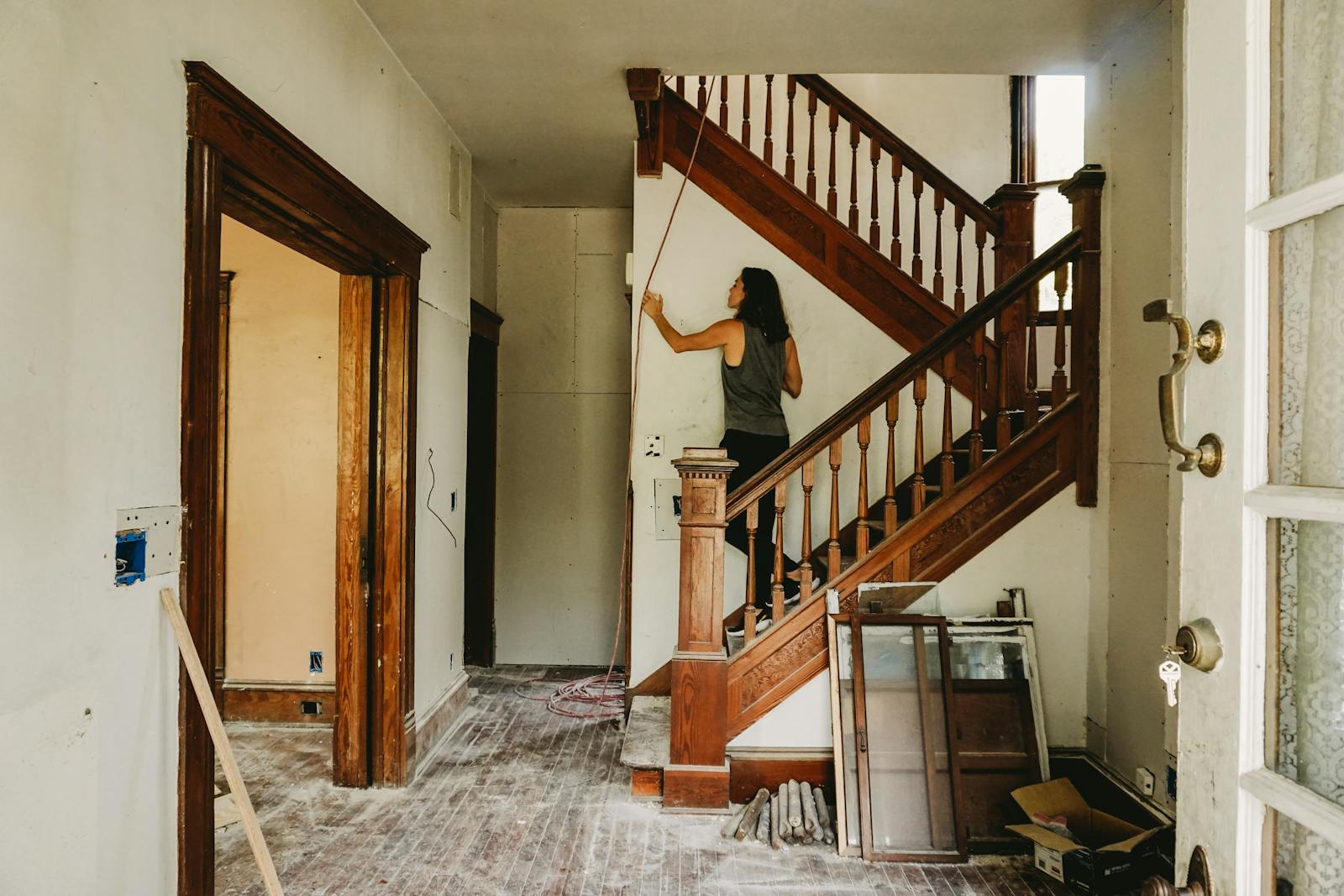
A beautifully renovated older home can offer the best of both worlds: original character combined with modern finishes and conveniences.
However, it is important to understand what work was completed and, where applicable, whether permits were obtained.
Pay particular attention to finished basements, additions, structural changes, kitchens and bathrooms. Your real estate agent can help you determine what information may be available about previous renovations.
8. Potential Hazardous Materials
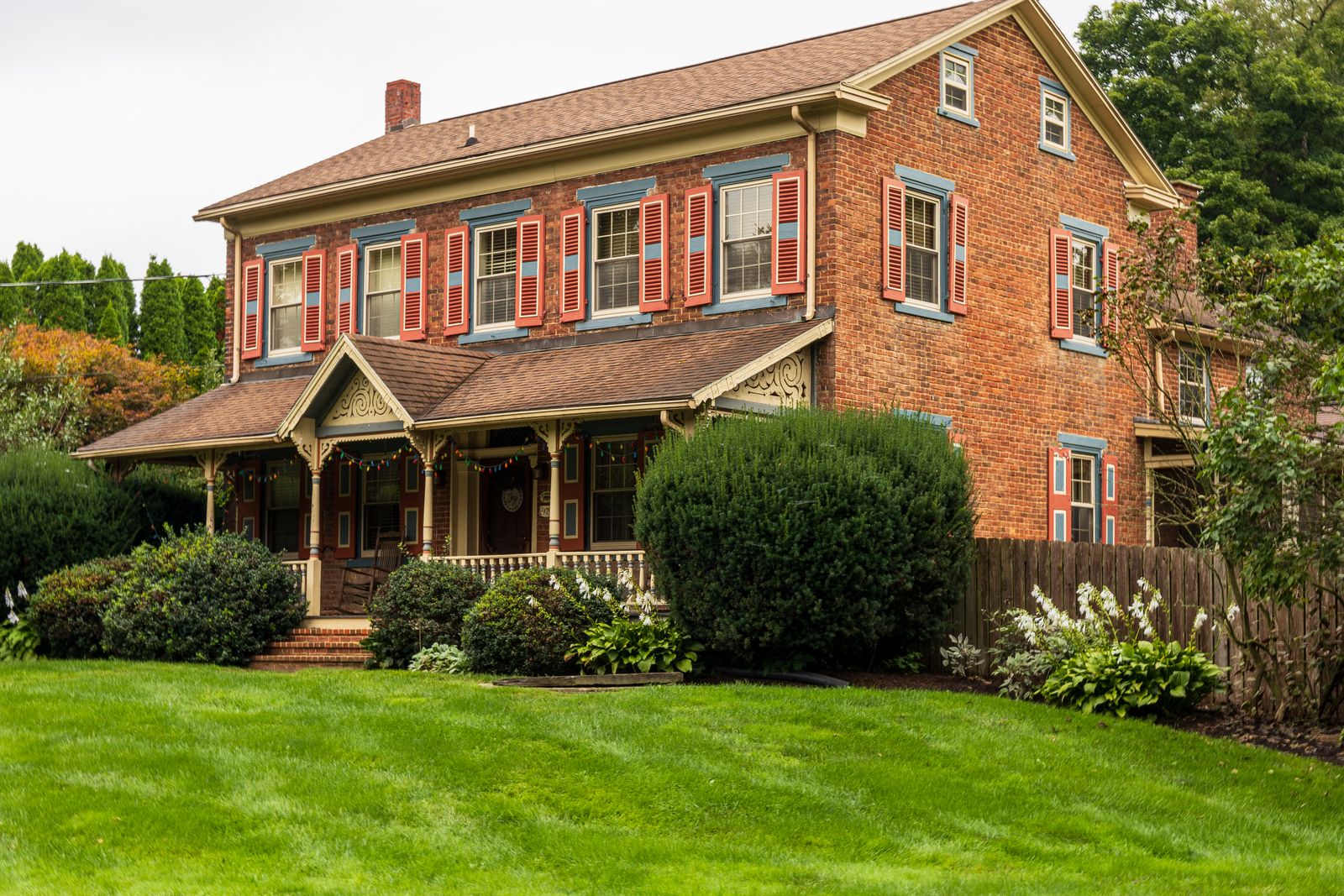
Depending on when a home was built, certain building materials that were commonly used at the time may require additional investigation.
Older properties can potentially contain materials such as asbestos or lead-based products. Rather than making assumptions based solely on a home's age, buyers can consult qualified professionals when there is reason for concern.

9. Sewer Lines and Drainage
The home's interior isn't the only area worth investigating.
Older properties may have aging sewer laterals or drainage systems. Depending on the property, its age and any warning signs, buyers may want to consider whether additional inspections, such as a sewer scope, would be beneficial.
10. Don't Let Cosmetic Updates Distract You
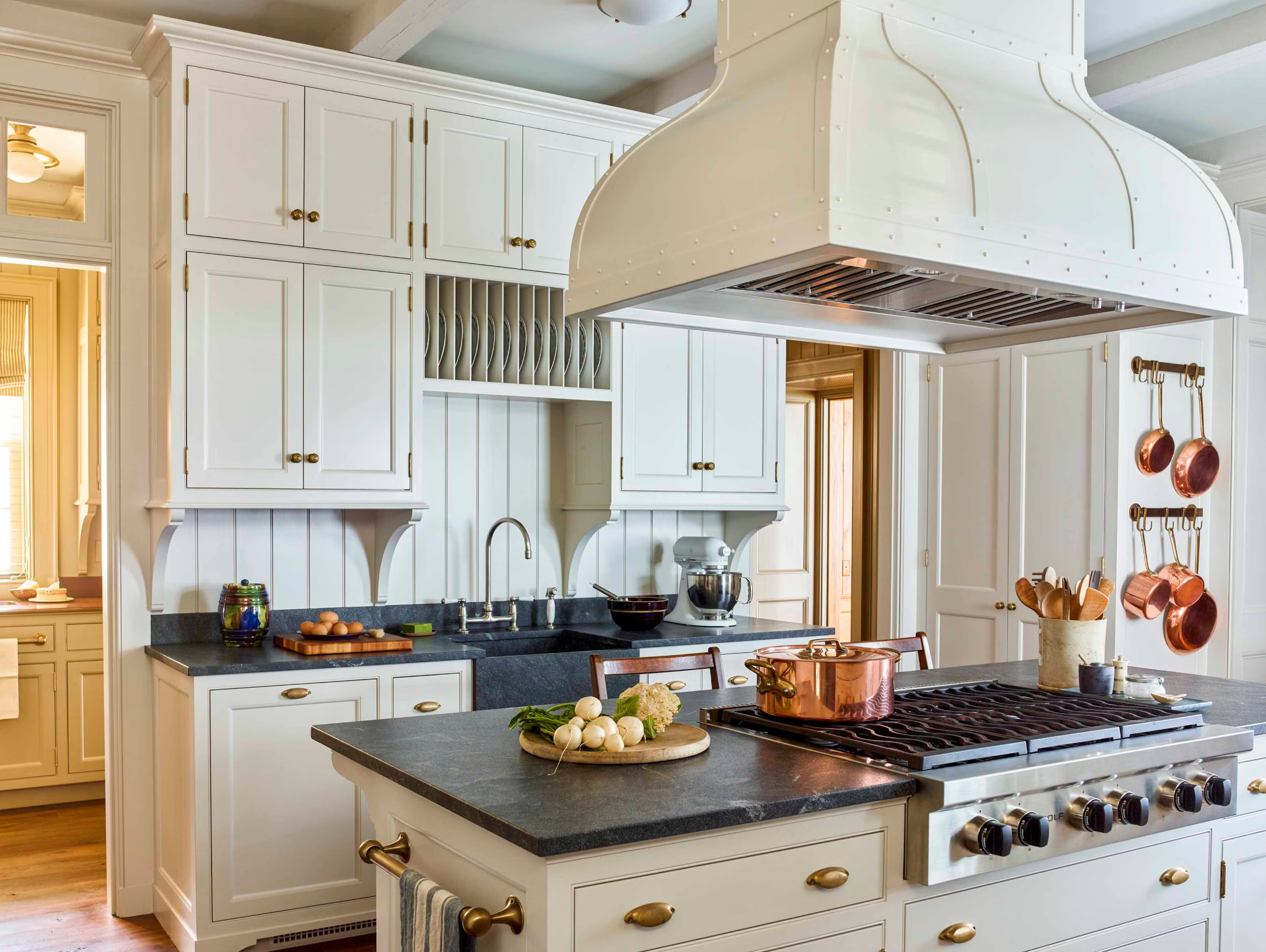
A newly renovated kitchen and beautiful hardwood floors can make a strong first impression, but buyers should also pay attention to the less glamorous parts of the property.
The roof, foundation, electrical system, plumbing, drainage and mechanical systems can ultimately have a much greater impact on the cost of owning the home.
When touring an older property, try to look beyond finishes and consider the home as a complete system.
Should You Buy an Older Home?
Absolutely — an older home can be a wonderful purchase for the right buyer.
The key is understanding what you are buying.
A well-maintained older home with thoughtful updates can offer incredible character, a desirable location and features that may be difficult to find in newer construction. At the same time, buyers should understand the home's condition and factor potential future improvements into their decision.
Working with experienced local real estate professionals and appropriate inspectors or contractors can help you gather the information you need before moving forward.
Buying an Older Home in Burlington?
Burlington offers an incredible variety of homes, from charming properties in established neighbourhoods to extensively renovated residences that combine traditional character with modern design.
If you're considering buying a home in Burlington, The Smallbone Team can help you navigate the process, understand the property and find a home that fits your needs.
Thinking about making a move? Contact The Smallbone Team to start your Burlington home search.