If you’re living in Burlington—or thinking about making it home—you already know this city has more to offer than just beautiful waterfront views and great neighbourhoods. Burlington’s food scene is thriving, with everything from upscale dining to cozy local gems.
At The Sandy Smallbone Team, we spend a lot of time exploring the community we serve—and that includes finding the best places to eat. Whether you're new to the area or just looking for your next go-to spot, here’s your guide to Burlington’s best restaurants and exactly where to find them.
Spencer’s at the Waterfront
📍 1340 Lakeshore Rd
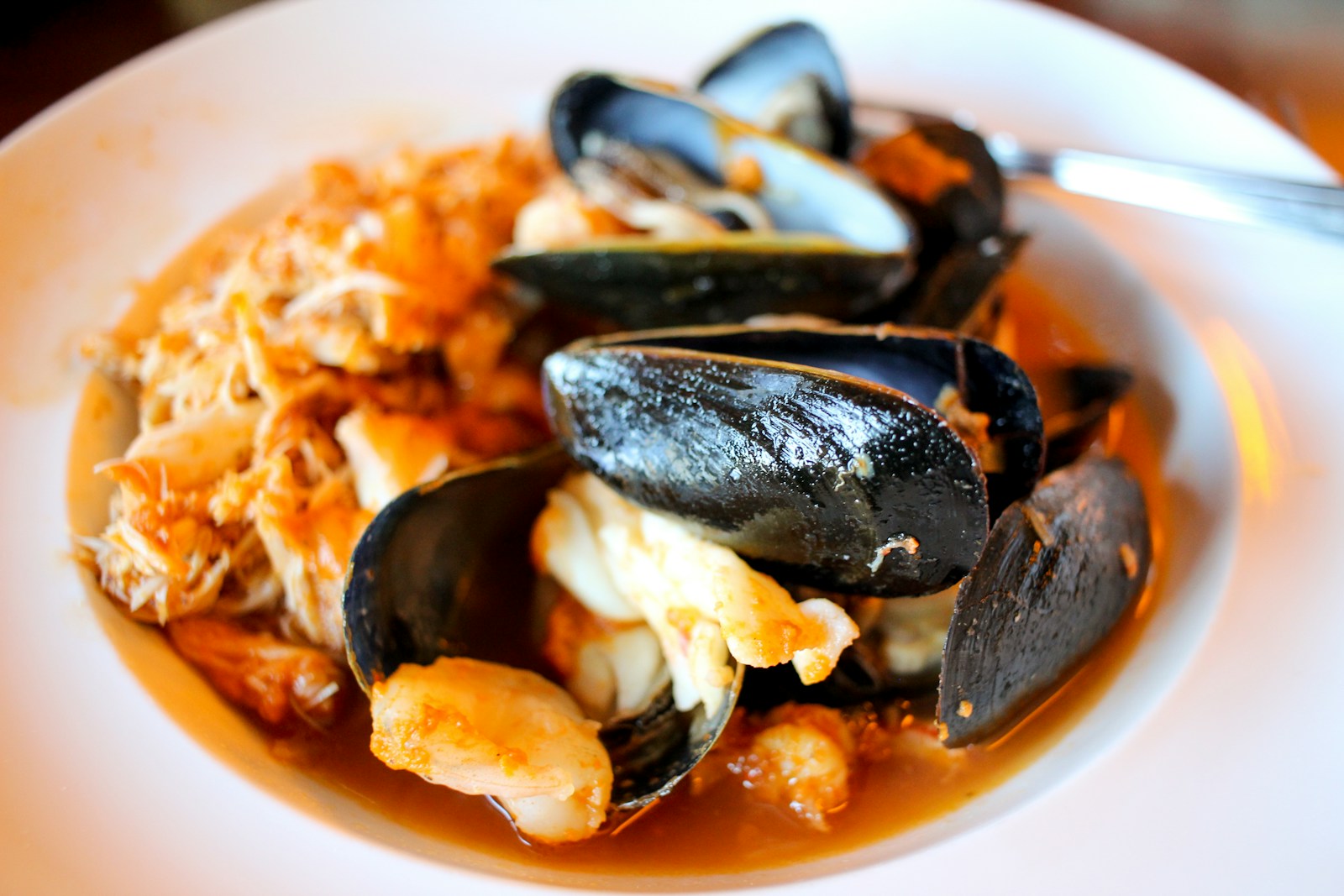
If you’re looking for a dining experience with a view, Spencer’s is hard to beat. Located right on the lake, this upscale restaurant is known for its seasonal menu, fresh ingredients, and elegant atmosphere.
What to try: Seafood dishes or their chef-inspired tasting menu
Best for: Date nights, special occasions, or impressing out-of-town guests
The Works Gourmet Burger Bistro
📍 443 Brant St
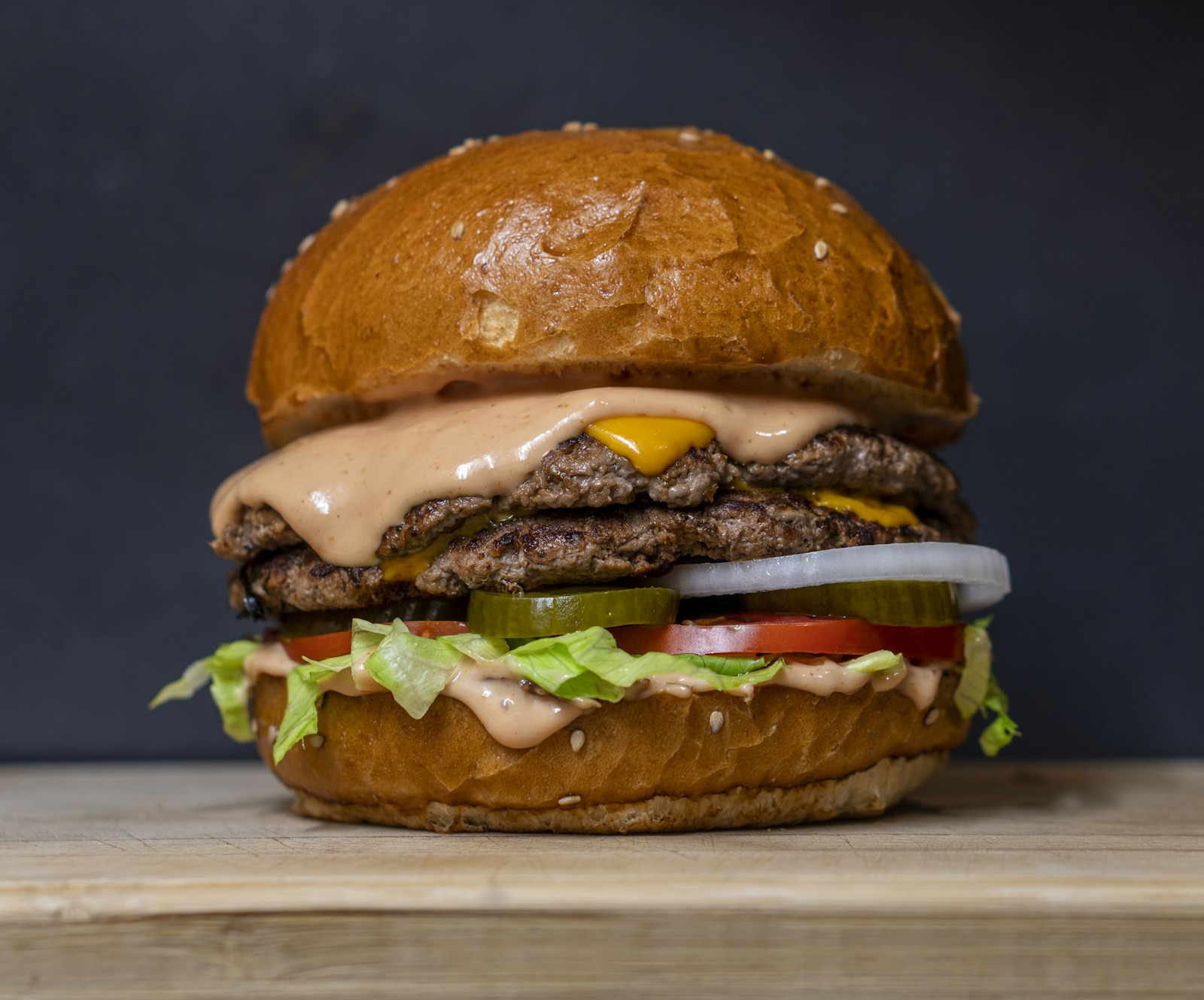
For something more casual but packed with flavour, The Works is a local favourite. Known for its creative burger combinations and generous portions, it’s perfect for a laid-back night out.
What to try: Any of their signature gourmet burgers (there are dozens)
Best for: Casual dining, families, and burger lovers
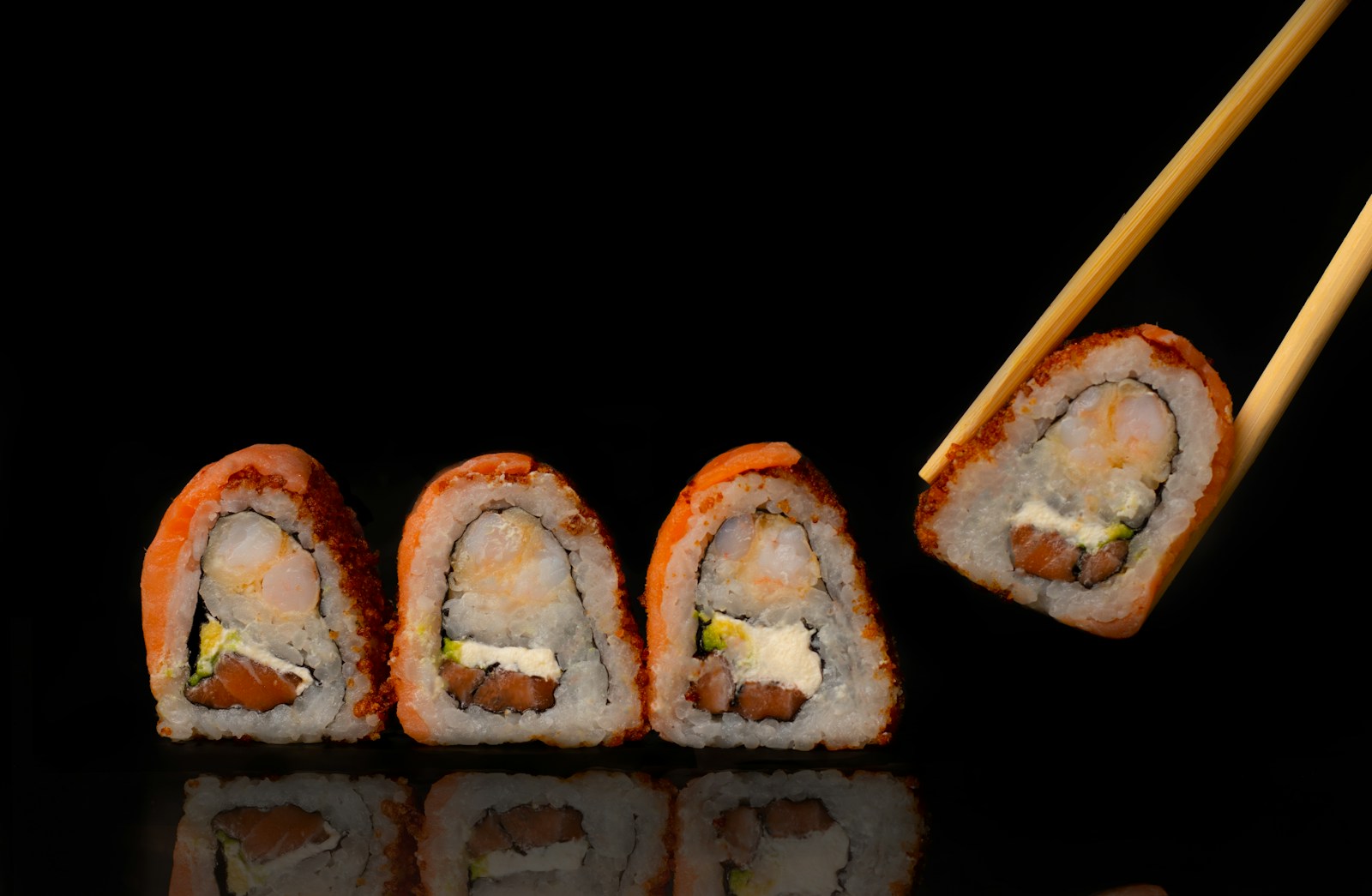
Sushi Masayuki
📍 4155 Fairview St
A hidden gem in Burlington, Sushi Masayuki offers authentic Japanese cuisine with a focus on quality and simplicity. It’s a smaller spot, but consistently ranks among the best sushi in the region.
What to try: Omakase experience
Best for: Foodies and sushi purists

Son of a Peach Pizzeria
📍 2049 Pine St
This trendy downtown spot is known for its wood-fired pizzas and fresh, locally sourced ingredients. It’s a go-to for both locals and visitors.
What to try: Classic Margherita or any seasonal specialty pizza
Best for: Casual date nights or weekend dinners
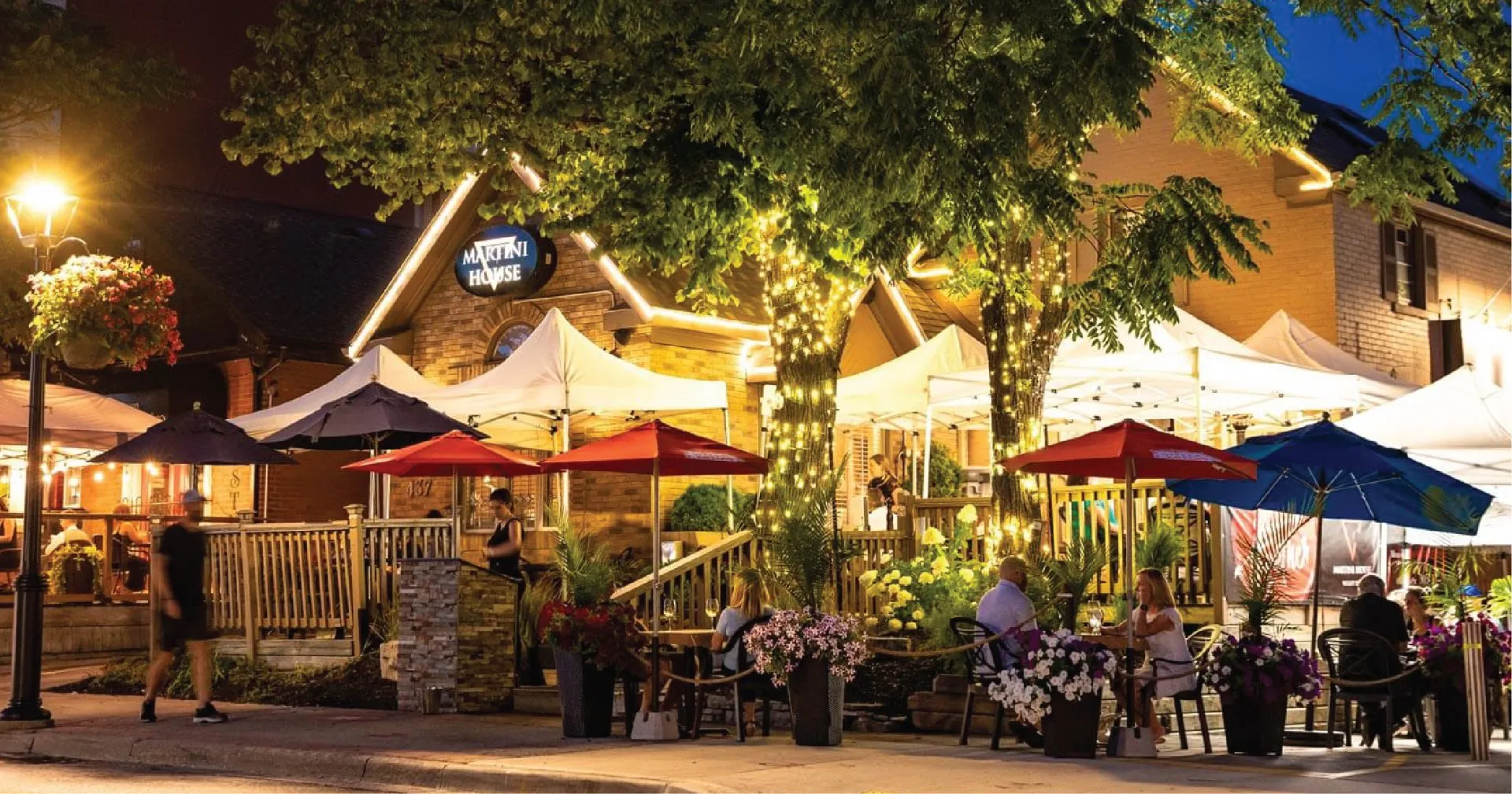
The Martini House
📍 437 Elizabeth St
Located in a charming heritage home, The Martini House blends fine dining with a cozy atmosphere. It’s one of Burlington’s long-standing favourites for elevated cuisine.
What to try: Steak, seafood, or their signature martinis
Best for: Celebrations and upscale dining
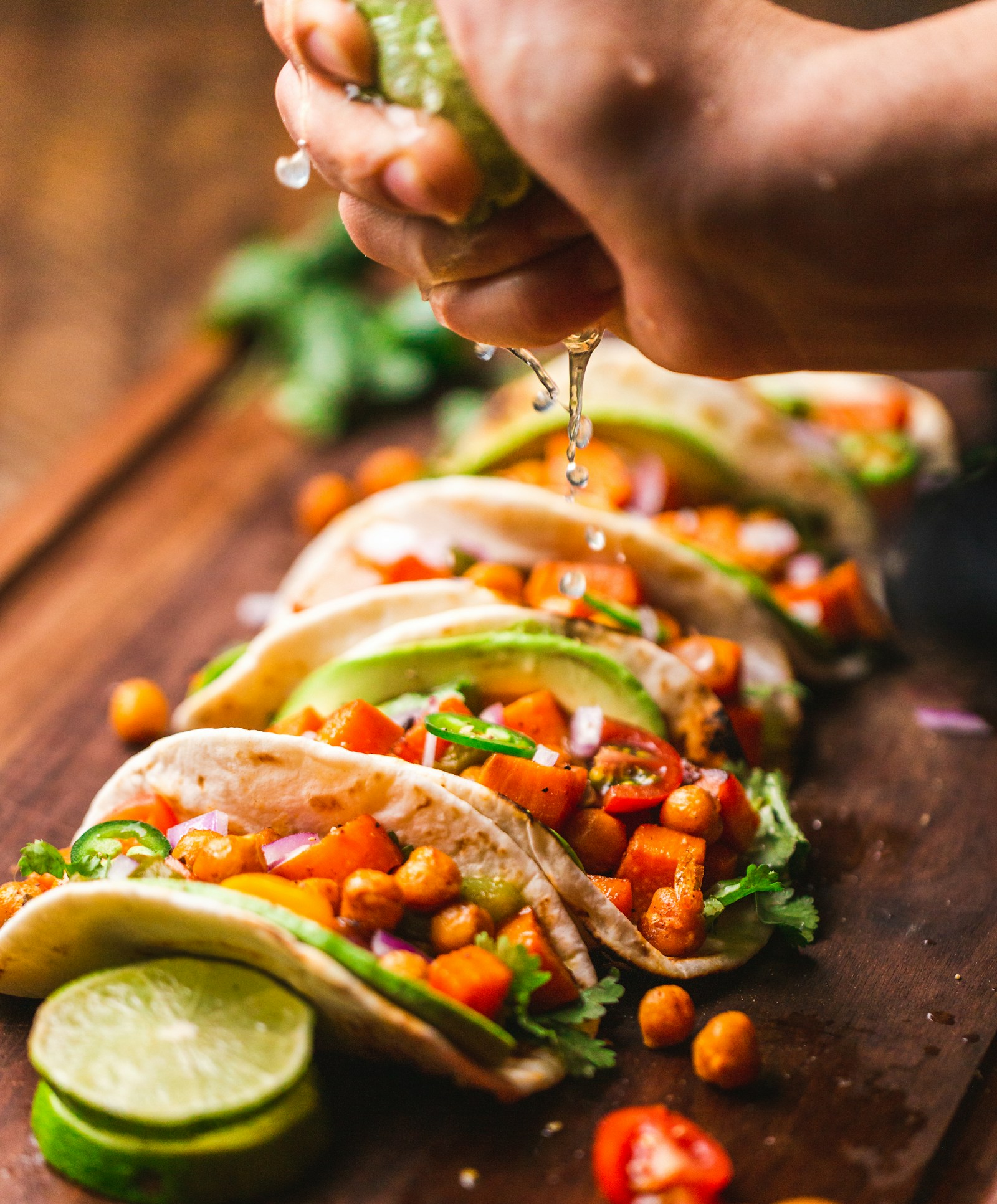
Burro Tacos
📍 2080 Appleby Line
If you’re craving bold flavours, Burro Tacos delivers. This vibrant spot serves up fresh, authentic Mexican street food that’s both quick and satisfying.
What to try: Fish tacos or burrito bowls
Best for: Quick bites and takeout
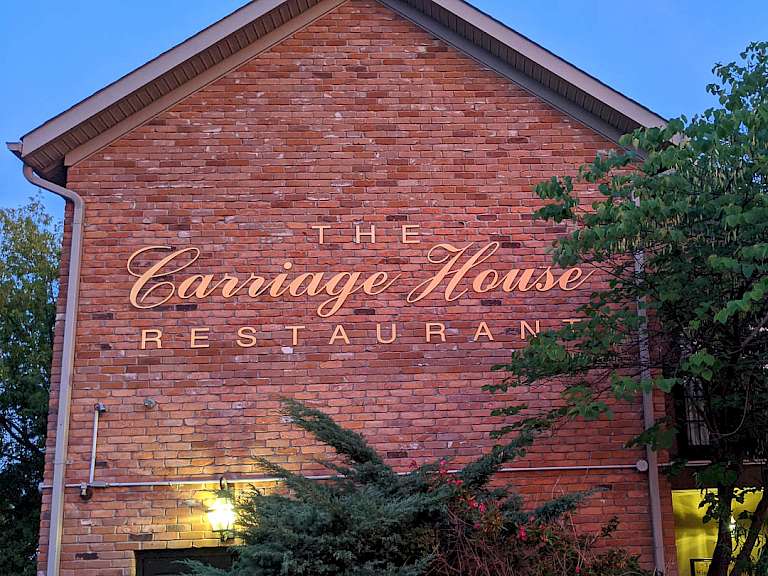
The Carriage House Restaurant
📍 2101 Old Lakeshore Rd
A Burlington staple with decades of history, The Carriage House offers classic dishes in a warm, welcoming setting.
What to try: Prime rib or their famous house specials
Best for: Traditional dining and family meals
Saving Thyme Patisserie & Bistro
📍 1650 Cumberland Ave
Perfect for brunch or a light lunch, this charming spot combines a European-style café feel with delicious homemade dishes.
What to try: Eggs Benedict or fresh pastries
Best for: Brunch lovers and coffee dates
Why Burlington’s Food Scene Matters
One of the things we love most about Burlington is how it blends lifestyle and community. Great restaurants aren’t just places to eat—they’re part of what makes a neighbourhood feel like home.
Whether you’re walking downtown for dinner, grabbing takeout after a busy day, or meeting friends for brunch, having amazing food options nearby is a huge part of the Burlington lifestyle.
Exploring the best restaurants is just one way to get to know the city. If you’re considering buying or selling in Burlington, The Sandy Smallbone Team is here to help you find not just the right home—but the right community to match your lifestyle.